 Little knight
- I’m the little knight. I hop rocks and slash
AI game maker for kids
Your child invents the characters, dreams up the rules, and decides what happens next. Makerplay’s AI helps bring their game to life.
Start with a parent account. No coding experience needed.
Little knight Goblins
 Skull knights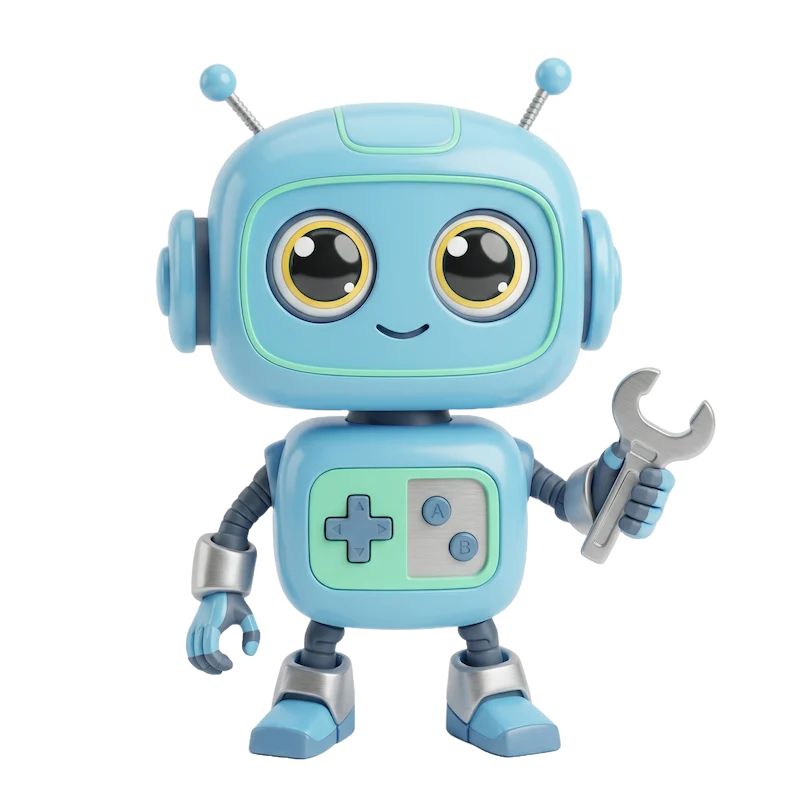
Try your game! What should we change next?
Example game rules and recorded gameplay. What would your child change?
From the first “what if?” to the game they can’t wait to show you.

A dragon who guards a secret? A racing car with a ridiculous boost? Your child chooses what they want to make.
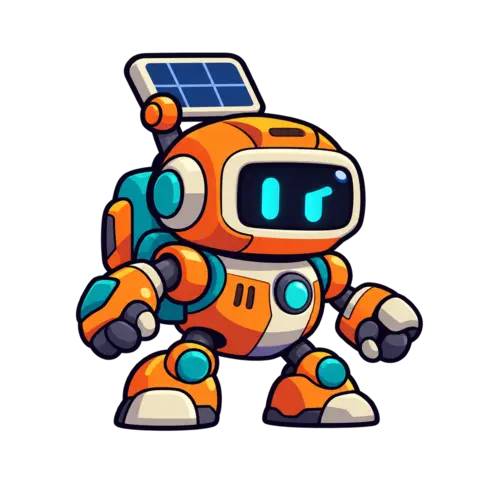
Characters and rules go onto the Game Board. The coach helps clarify the details; Bolt builds the game from their instructions.
Play the result. Notice what could be more fun. Change a rule, try again, and make the next version their own.
Your child brings an idea. Their coach asks questions to help make it precise. Together, they turn it into rules on the Game Board—with your child making the decisions.
I want to sneak past a dragon.

How does the dragon know you’re there?
It hears me running! I have to walk slowly when I’m close.
Game BoardYour child connects two parts of a game with rules they can see, change, and test.

Choose Luna or Willy as your AI-powered coach. They help you turn a big idea into clear Board descriptions, work through what isn’t working, and figure out what to try next.
When you’re ready, press Build. Bolt turns your Game Board into a playable game. Play it, decide what to change, and build again. You’re in charge of what it becomes.
Is the chase too fast? Is the puzzle too easy? Your child makes a choice, tests it, and sees what changes.
AI can get an instruction wrong, too. Returning to a game card and making the rule clearer gives your child a way to investigate and try again.
Why we start with creationNo. Children describe objects and their behavior using written instructions on the Game Board. Makerplay handles the code. They still decide how the game should work and what to improve.
The Game Board keeps characters, objects, and rules visible as separate cards. Your child can revisit a particular part of the design and change it, with a coach to help clarify their ideas. The first generated game becomes something they can keep developing.
Makerplay focuses on designing behavior, describing it clearly, and testing the result. It does not require children to write a conventional programming language. If your immediate goal is practicing syntax or working directly with loops and variables, choose an activity that teaches those concepts explicitly.
Create a parent account, then help your child choose a manageable first idea. Ask what the player does and how they win. After the first playthrough, ask what they would change. Children who need help reading or writing may benefit from working alongside you.
Yes. Visit the Arcade to play games children have built. You can explore the games without creating an account.
Read our privacy policy for how Makerplay handles information and our terms for account and service details.
Your first game can start with a single idea.